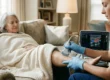
To maintain physical independence and a high quality of life in 2026, the definitive solution lies in transitioning from reactive treatments to a proactive life extension joint mobility strategy. This comprehensive approach integrates early-stage regenerative therapies (such as PRP), the use of robotic-assisted surgery for sub-millimeter implant precision, and rigorous medication audits to eliminate drugs that impair coordination. In the Arizona climate, this multifaceted tactic is essential for halting degenerative wear and radically reducing the risk of debilitating falls.
Expert Geriatric Care In Arizona
Geriatric specialists practicing in Phoenix and Scottsdale are helping patients extend their active years well beyond traditional expectations. When walks through the McDowell Sonoran Preserve or rounds of golf at local clubs begin to cause discomfort, timely intervention can often prevent the need for major surgery. A personalized mobility plan, tailored to the unique physiological needs of older adults, is a vital investment in years of high-quality, independent living.

The Joint Health Crisis In Phoenix And Scottsdale
In the modern US landscape, and particularly in active hubs like Scottsdale and Phoenix, musculoskeletal issues are no longer “old age” problems. Data confirms that approximately 60% of arthritis patients are actually under the age of 65. For Arizona residents who frequent Camelback Mountain or maintain a rigorous tennis schedule, the state of their joint and mobility (overall joint health and range of motion) becomes a priority much earlier in life. With nearly 78 million Americans projected to have diagnosed arthritis by 2040, early intervention is both a physical and financial necessity.
The Sonoran Environment: Unique Bio-Mechanical Challenges
The dry heat of the Arizona desert introduces specific physiological stressors. Chronic dehydration, a common issue in Maricopa County, directly impacts the viscosity of synovial fluid—the “oil” in your joints. When this fluid thins, the cushioning between bones decreases, accelerating the onset of osteoarthritis. Furthermore, the prevalence of hard, sun-baked surfaces in urban Scottsdale increases the ground reaction force during walking, putting additional strain on the lower extremities compared to softer, greener climates.
Regeneration As An Alternative: The Power Of PRP Therapy
In 2025–2026, Platelet-Rich Plasma (PRP) therapy has emerged as the gold standard for joint preservation. This method leverages the patient’s own biological resources to reduce inflammation and improve joint lubrication.
-
Proven Effectiveness: PRP provides pain relief for up to 24 months, demonstrating clear superiority over traditional hyaluronic acid or corticosteroid injections.
-
Cartilage Protection: Advanced imaging confirms that the procedure can slow the progression of cartilage loss, effectively delaying the need for joint replacement.
-
FDA Compliance: It is crucial to note that the FDA strictly regulates regenerative products. While PRP systems are cleared via the 510(k) pathway for specific uses, patients should be wary of unauthorized “stem cell” marketing, which carries risks of infection and unproven results.
Diagnostic Innovations: Beyond The X-Ray
Modern clinics are now moving toward “Biological Profiling.” By measuring specific biomarkers in blood and joint fluid, such as C-terminal telopeptide of type II collagen (uCTX-II), physicians can predict the rate of cartilage degradation long before it shows up on a standard X-ray. This allows for the implementation of a mobilify joint supplement regimen or regenerative therapy at the precise moment it will be most effective.
Precision Surgery And Restoring Hip Mobility
Technological Breakthroughs In Arthroplasty:
-
Personalized 3D Planning: Using CT scans to create a digital map of the joint ensures the implant is positioned perfectly for the patient’s unique anatomy.
-
Cementless Fixation: 3D-printed implants with porous structures allow the bone to grow directly into the prosthetic. This is a game-changer for active individuals in their 50s and 60s, as it significantly increases the lifespan of the joint.
-
Tissue-Sparing Approaches: The Direct Anterior Approach (DAA) for hip replacements allows surgeons to work between muscles rather than cutting through them. This reduces the risk of dislocation to nearly zero and allows patients to walk comfortably within weeks.
The ``Home-By-Dinner`` Outpatient Model
Proactive ``Pre-Habilitation`` And Physical Preparedness
“Pre-hab” focuses on physical readiness through structured therapy and home optimization to preserve independence. Low-impact activity builds vital muscle strength without stressing inflamed joints.
To maximize the benefits of a pre-hab strategy, residents of the Southwest should focus on:
-
Nutritional Support: Consuming 0.4 grams of protein per pound of body weight daily to maintain the muscle mass that protects the skeleton.
-
Bone Stimulation: Engaging in weight-bearing exercises like walking or dancing to stimulate bone-building cells, while avoiding high-impact jumps if osteoporosis is present.
-
Balance Training: Incorporating Tai Chi or specialized programs like “A Matter of Balance,” which have been shown to save nearly $938 per participant by reducing hospitalizations.

Fall Prevention And The Role Of Gerontologists
For older adults in the Valley, falls remain the leading cause of injury. In 2026, top gerontologists are implementing the CDC’s STEADI algorithm, which combines physical screening with a deep audit of the patient’s home and health.
If you are searching for a geriatric dr near me, ensure your provider performs a comprehensive review of your prescriptions against the 2023 Beers Criteria. Many common medications for sleep or blood pressure can cause hidden dizziness, which compromises ankle joint mobility and overall stability.
The Cognitive-Motor Connection
Emerging research highlights the link between cognitive health and walking stability. “Dual-task interference”—the inability to walk safely while performing a mental task—is a major predictor of fall risk. Local geriatric doctors in my area now often include cognitive-motor training in their protocols, using specialized balance boards and VR simulations to train the brain and body to work in tandem.
Predictive Monitoring And The Smart Home
Contactless fall detection, such as Vayyar’s 4D radar technology, is becoming the standard for safety in Scottsdale homes. Unlike invasive cameras, these systems use “point cloud” sensors to maintain privacy while using AI to detect changes in gait 24 to 72 hours before a potential fall occurs.
Nutritional Support For Long-Term Mobility
Maintaining bone density and cartilage health requires consistent nutrient intake. While many consumers look for specific products like a vital chew joints and mobility or a specialized mobilify joint supplement, these should always be integrated into a plan that follows clinical guidelines.
Micronutrients And The Aging Skeleton
Beyond standard minerals, 2026 guidelines emphasize the role of Vitamin K2 in directing calcium toward the bones and away from the arteries. Magnesium, often depleted in those using certain diuretics, is also vital for muscle function and cramp prevention.

| Population Group | Calcium (mg/day) | Vitamin D (IU/day) | Protein (g per lb of body weight) |
| Men <70 / Women <50 | 1,000 | 600 | 0.4 |
| Men 71+ / Women 51+ | 1,200 | 800 | 0.4 |
Many elderly doctors near me in the Phoenix area emphasize that even the best supplement for joint mobility works most effectively when paired with weight-bearing exercises, such as Tai Chi or progressive resistance training, which naturally stimulate bone growth.
Navigating Healthcare In Arizona: Access And Insurance
Choosing The Right Medical Partner In Arizona
Frequently Asked Questions
What is the best supplement for joint mobility in the Arizona climate?
Residents of the Southwest should look for a combination of Vitamin D, Calcium, and Magnesium to support bone density in the desert heat. Specialized options like a mobilify joint supplement or a vital chew joints and mobility can be highly effective when used as part of a broader health extension joint mobility plan to keep tissues hydrated and resilient.
How do I find the most qualified geriatric doctors in my area?
When searching for geriatric primary care physicians near me, prioritize specialists who perform regular medication reviews based on the Beers Criteria. If you are looking for geriatric doctors accepting new patients near me in the Phoenix or Scottsdale areas, ensure they offer comprehensive fall risk assessments and modern diagnostic tools to monitor your progress.
What technologies are available to improve mobility for hips and knees?
Modern medicine utilizes robotic-assisted systems like Mako to provide sub-millimeter precision during joint replacements. These advanced technologies, when combined with life extension joint mobility practices, ensure that implants are perfectly aligned with your unique anatomy, leading to faster recovery times and more natural movement.
Why is ankle joint mobility so important for preventing falls?
Flexibility in the lower extremities is crucial for maintaining balance on the uneven terrain often found in the Sonoran Desert. If you consult a geriatric dr near me, they will likely emphasize that maintaining healthy ankle joint mobility allows your body to react more quickly to stumbles, significantly reducing the likelihood of a serious injury.
What should I prioritize when searching for elderly doctors near me?
It is important to find gerontologists who take a holistic approach to aging. A qualified provider will not only address immediate pain but will also help you develop a long-term strategy for life extension joint mobility, focusing on nutrition, “pre-hab” exercises, and the latest in regenerative therapies to keep you moving for years to come.
References
-
ARTHRITIS Factsheet 2025, https://chronicdisease.org/wp-content/uploads/2025/05/Arthritis-Factsheet-2025.pdf
-
CDC: New Reports Examine Chronic Conditions and Fall Deaths Among Older Adults in the U.S., https://www.cdc.gov/nchs/pressroom/releases/20250618.html
-
FDA: Important Patient and Consumer Information About Regenerative Medicine Therapies, https://www.fda.gov/vaccines-blood-biologics/consumers-biologics/important-patient-and-consumer-information-about-regenerative-medicine-therapies
-
Mayo Clinic: Robotic Orthopedic Surgery – Overview, https://www.mayoclinic.org/departments-centers/robotic-orthopedic-surgery/overview/ovc-20472153
-
The American Geriatrics Society (AGS): 2023 Updated AGS Beers Criteria® for Potentially Inappropriate Medication Use in Older Adults, https://health.uconn.edu/pharmacy/wp-content/uploads/sites/60/2023/11/2023-American-Geriatrics-Society-Beers-Criteria-1.pdf
-
Johns Hopkins Medicine: What You Can Do Now to Help Prevent Osteoporosis, https://www.hopkinsmedicine.org/health/conditions-and-diseases/osteoporosis/what-you-can-do-now-to-prevent-osteoporosis
-
CDC: Older Adult Fall Prevention – About STEADI, https://www.cdc.gov/steadi/about/index.html
-
PMC: The Rise of Minimally Invasive “DAA” Hip Replacements: Hype, Hope, and Reality, https://pmc.ncbi.nlm.nih.gov/articles/PMC12514914/
-
Precedence Research: Smart Fall Detection Device Market Size to Hit USD 4.18 Billion by 2034, https://www.precedenceresearch.com/smart-fall-detection-device-market
-
NCOA: 2025 National Falls Prevention Action Plan, https://www.ncoa.org/article/national-falls-prevention-action-plan/
-
Vayyar Wall-Mounted Fall Detection Device – WellAware Care, https://wellawarecare.com/product/vayyar-wall-mounted-fall-detection-device/