For seniors aged 65 and older, the best diet for longevity is a nutrient-dense eating pattern that combines high-quality protein (1.2g per kg of body weight) with the anti-inflammatory principles of the Mediterranean and Blue Zone diets. This approach prioritizes lean proteins to prevent muscle loss (sarcopenia), healthy fats for cognitive health, and specific hydration protocols essential for maintaining biological health in the arid Arizona climate.
Personalizing Your Longevity Journey with Expert Guidance
Measuring What Matters: Biological Age and the ``PhenoAge`` Revolution
For residents in Scottsdale and Phoenix, adopting a longevity diet isn’t just about weight management; it is a clinical intervention. Studies from 2025 and 2026 suggest that strictly adhering to Mediterranean-style eating can reduce biological age markers by 0.3 to 0.6 years annually. By lowering the Dietary Inflammatory Index (DII), seniors can effectively “slow down the clock” at a cellular level, mitigating the risks of age-related diseases that are prevalent in Maricopa County.

The Triple Crown of Longevity: Mediterranean, DASH, and Blue Zones
Comparing the Gold Standard Dietary Patterns
| Feature | Mediterranean Diet | DASH Diet | Blue Zone Diet |
|---|---|---|---|
| Primary Focus | Healthy fats & Anti-inflammation | Blood pressure management | Plant-forward community eating |
| Key Components | Olive oil, fatty fish, nuts | Low sodium, high potassium | Beans, greens, sourdough |
| Best For | Cognitive health & Heart vitality | Hypertension & Stroke prevention | Digestive health & Longevity |
| Seniors’ Benefit | Reduces risk of Alzheimer’s | Critical for CV health in AZ heat | Promotes gut microbiome diversity |
The mediterranean diet remains the most researched protocol for brain health, while the dash diet is indispensable for seniors managing hypertension. Meanwhile, the blue zone diet emphasizes the “Power 9” principles, including the “80% rule” (eating until 80% full), which helps maintain a healthy metabolic rate as activity levels shift.
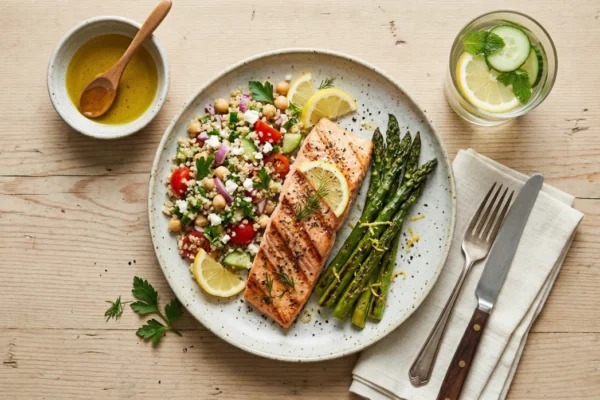
The Protein Paradox: Why 65+ Changes the Rules
Maintaining muscle is a survival strategy. In Phoenix, where outdoor activities are often limited by extreme heat, muscle mass serves as a metabolic reservoir and a safeguard against falls. High-quality sources like Greek yogurt, wild-caught fish, and plant-based legumes should be staples in every meal.
The Survival Protocol: Hydration and Vitamin D
1. The Hydration Commandment
- The Rule: Aim for 8–12 ounces of water every hour during the peak heat of the day.
- The Electrolyte Factor: Water alone isn’t enough. Incorporating magnesium and potassium-rich foods (like avocados and leafy greens) ensures that your cells actually “capture” the hydration.
2. The Vitamin D Paradox
Beyond the Plate: The Pillars of a Long Healthspan
- Resistance Training: Weight-bearing exercises are the “clinical partner” to a high-protein diet. Even two sessions a week at local wellness centers can significantly improve balance.
- Cognitive Engagement: Social isolation is a silent threat to longevity. Engaging with the vibrant retirement communities in the Phoenix area provides the “social fiber” necessary for brain health.
- Metabolic Monitoring: Regular screenings at specialized centers—such as the Mayo Clinic in Scottsdale or Preamble Health—allow for the fine-tuning of your dietary protocol based on real-time blood data.
Final Thoughts for the Arizona Centenarian
Frequently Asked Questions
What is the best diet for longevity for people over 65?
How much protein should a senior eat to prevent muscle loss?
Can changing my nutrition really lower my biological age?
Yes, specific dietary interventions can positively influence biomarkers of aging such as PhenoAge. By adopting an anti-inflammatory longevity diet, seniors can slow cellular aging and reduce the clinical risks associated with chronic conditions like heart disease or cognitive decline.
Why is hydration so critical for seniors living in the Arizona desert?
Why do many Phoenix residents have a Vitamin D deficiency despite the sun?
Sources Used:
- Mediterranean Diet Overview (Mayo Clinic) — https://www.mayoclinic.org/healthy-lifestyle/nutrition-and-healthy-eating/in-depth/mediterranean-diet/art-20047801
- The DASH Eating Plan (National Institutes of Health) — https://www.nhlbi.nih.gov/education/dash-eating-plan
- Blue Zones Food Guidelines — https://www.bluezones.com/recipes/food-guidelines/
- Protein Consumption and Healthy Aging (JAMDA) — https://www.jamda.com/article/S1525-8610(13)00326-5/fulltext
- An Epigenetic Biomarker of Aging (Aging US) — https://www.aging-us.com/article/101414/text
- Vitamin D Deficiency in Arizona (Mayo Clinic) — https://newsnetwork.mayoclinic.org/discussion/mayo-clinic-q-and-a-is-vitamin-d-deficiency-common-in-sunny-arizona/
The information provided in this article is for educational and informational purposes only and is not intended as medical advice, diagnosis, or treatment.