The 6 activities of daily living (ADLs) that determine if a senior can safely live alone include bathing, dressing, toileting, transferring, continence, and feeding. When a senior in Scottsdale or Phoenix struggles with these tasks, it serves as a clinical indicator that home-based support or a higher level of care is necessary for their safety and long-term health.
When families notice a decline in functional independence, professional guidance is crucial. Dr. Rebecca Cook provides comprehensive geriatric assessments to help families navigate these transitions safely.
What Are the 6 Core Activities of Daily Living (ADLs)?
Clinicians use these metrics to assess the risk of accidents, malnutrition, and hygiene-related illnesses. For families in the Maricopa County area, monitoring these signs is the first step in preventive care. Identifying a decline early can prevent catastrophic events like falls, infections, or severe dehydration.
| ADL Category | Description of Task | Clinical Significance |
|---|---|---|
| Bathing | Cleaning the body and maintaining personal hygiene. | Highest risk for falls and skin infections. |
| Dressing | Selecting and putting on appropriate clothes. | Indicates cognitive planning and motor skills. |
| Toileting | Using the restroom and managing personal cleanup. | Critical for dignity and infection prevention. |
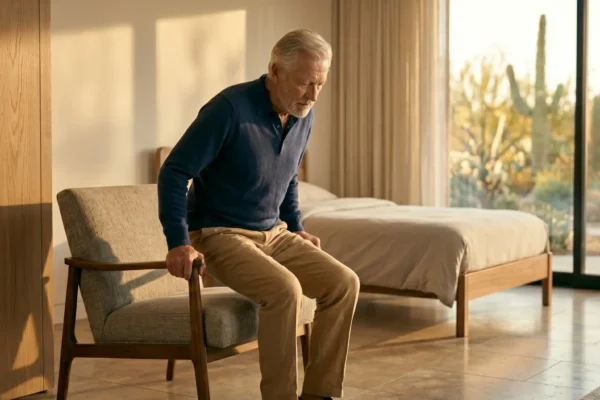
| Transferring | Moving from a bed to a chair or standing up. | Primary indicator of muscle strength and balance. |
| Continence | Controlling bladder and bowel functions. | Affects social participation and skin integrity. |
| Feeding | The physical act of eating and swallowing. | Essential for preventing malnutrition and choking. |
1. Bathing and Personal Hygiene
For seniors in Scottsdale, a sudden neglect of hygiene is rarely about laziness. It often stems from a deep-seated fear of falling while stepping into a tub or shower. If you notice unwashed hair, a persistent body odor, or a bathroom that remains suspiciously dry for days, it is a sign that the physical demands of bathing have become overwhelming.
Signs of Bathing Avoidance to Watch For:
- A noticeable change in body odor or greasy hair.
- Wearing the same outfit for several days in a row.
- Bathroom towels that are always dry or dusty.
- Bruising on the arms or legs, suggesting “furniture surfing” to get to the shower.
- Accumulation of grime or mold in the shower that the senior used to clean.
2. Dressing and Grooming Habits
If you find a loved one wearing multiple layers of heavy clothing in the middle of a Phoenix summer, this is a major red flag. It indicates a disconnect between their cognitive perception and environmental reality. The Mayo emphasizes that difficulties with dressing often point to underlying cognitive shifts or physical limitations that require caregiver support.
Grooming Red Flags for Families:
- Inability to fasten buttons, hooks, or shoe laces.
- Putting on clothing backwards or inside out.
- Choosing winter clothing during extreme Arizona heatwaves.
- Neglecting dental hygiene or forgetting to brush hair.
- Wearing mismatched shoes or socks consistently.
3. Toileting and Bathroom Safety
Signs of trouble include frequent urinary tract infections (UTIs) or the presence of soiled laundry hidden in closets. When a senior can no longer manage toileting safely, the risk of skin breakdown and infections increases significantly. This is a critical point where living alone may no longer be a viable option without daily assistance.
Bathroom Safety Indicators:
- Difficulty sitting down or standing up from the toilet.
- Evidence of “near misses” (soiled clothing or floor).
- Increasing frequency of UTIs without an obvious cause.
- Spending an unusual amount of time in the bathroom.
- Strong odors of urine or feces in the living area.
Assessing Mobility and Physiological Control
Effective monitoring involves watching how a senior moves through their natural environment. We often look for compensatory behaviors, such as leaning heavily on walls. These behaviors indicate that their internal balance mechanisms are no longer sufficient to support their weight.
4. Transferring and Functional Mobility
The ability to move between surfaces is a primary metric in clinical evaluations. According to PubMed, functional mobility and the ability to transfer are among the most critical predictors of a senior’s ability to live independently without 24-hour supervision.
Mobility Warning Signs:
- Using furniture to pull themselves up from a seated position.
- Difficulty getting in and out of a car.
- A shuffling gait or “freezing” when turning around.
- Holding onto walls or doorframes while walking.
- Avoiding the second floor of a home because of stairs.
5. Continence and Pelvic Health
Incontinence can lead to social isolation, as seniors become afraid to leave their homes in Scottsdale for fear of an accident. It also creates a high risk for falls during “rushing” episodes to the bathroom at night. Managing this ADL often requires environmental changes, such as bedside commodes or scheduled routines.
Impact Factors for Continence Management:
- Nighttime “rushing” which leads to trip hazards in the dark.
- Skin irritation or rashes caused by prolonged moisture.
- Dehydration, as seniors may drink less water to avoid using the bathroom.
- Social withdrawal and refusal to go to restaurants or parks.
- Increased laundry loads or hidden soiled linens.
6. Feeding and Nutritional Intake
Watch for signs of “pocketing” food in the cheeks or frequent coughing during meals. These are signs of dysphagia, or difficulty swallowing, which can lead to aspiration pneumonia. Unexplained weight loss is often the first sign that a senior is no longer able to physically feed themselves enough calories to sustain their health.
Nutritional Risk Indicators:
- Taking an hour or more to finish a small meal.
- Frequent coughing or throat clearing while drinking liquids.
- Significant weight loss (losing 5% of body weight in 6-12 months).
- Dropping utensils frequently due to hand tremors.
- A preference for only soft foods or liquids to avoid chewing.
IADLs and ADLs: Understanding the Difference
Monitoring IADLs allows families to intervene before a medical crisis occurs. If a senior can no longer manage their checkbook or drive to the store, they likely have cognitive shifts that will eventually affect their ability to dress or bathe.
Common IADLs include:
- Managing Finances: Paying bills on time and avoiding scams.
- Transportation: Driving safely or navigating public transit.
- Meal Preparation: Planning a menu and using a stove safely.
- Shopping: Buying groceries and essential household items.
- Housekeeping: Doing laundry and maintaining a sanitary home.
- Communication: Using a telephone or computer to stay in touch.
- Medication Management: Taking the correct supplements at the right time.
When to Seek a Professional Geriatric Assessment
In Maricopa County, resources are available to help seniors age in place longer by modifying their environment. According to the BGC, a comprehensive geriatric assessment is the gold standard for evaluating an older adult’s physical, cognitive, and social needs to develop a long-term care plan.
Checklist for Families - When to Take Action
- Safety: Has your loved one fallen or had a “near miss” recently?
- Health: Are they losing weight or forgetting to stay hydrated in the heat?
- Hygiene: Is their home or person noticeably less clean than it used to be?
- Mood: Are they becoming frustrated, depressed, or socially withdrawn?
- Cognition: Do they seem confused by simple tasks or the time of day?
Early intervention in functional decline can significantly extend a person’s “healthspan” – the years spent in good health. By addressing ADL deficits today, families can ensure their loved ones receive the dignity and care they deserve while staying as independent as possible in the Scottsdale sun.
Frequently Asked Questions
What are the 6 basic activities of daily living for the elderly?
What is the difference between ADLs and IADLs?
How do you know when a senior can no longer safely live alone?
Which activity of daily living is typically lost first?
Why is a professional geriatric assessment important for assessing ADLs?
The information provided in this article is for educational and informational purposes only and is not intended as medical advice, diagnosis, or treatment.