Recognizing a stroke early saves lives and preserves independence for seniors. In Scottsdale, the five early indicators of stroke in the elderly include sudden confusion in speech, subtle numbness in the face or fingertips, loss of vision in one eye, unexplained falls, and a “thunderclap” headache. Because these symptoms frequently mirror dehydration or heat exhaustion in the Arizona climate, they are often overlooked until it is too late. If any of these signs appear, call 911 immediately; a stroke is a medical emergency that requires intervention within minutes.
Understanding Home Healthcare Coordination in Arizona
The primary goal of home healthcare coordination in Arizona is to create a seamless link between the physician, the diagnostic teams, and the pharmacy. When these entities communicate effectively, the risk of medical errors decreases, and the speed of treatment increases. This is particularly vital for the aging population in Phoenix and Scottsdale, where mobility and environmental heat can make traditional clinic visits hazardous.
The Arizona Diagnostic Trap: Heat vs. Stroke
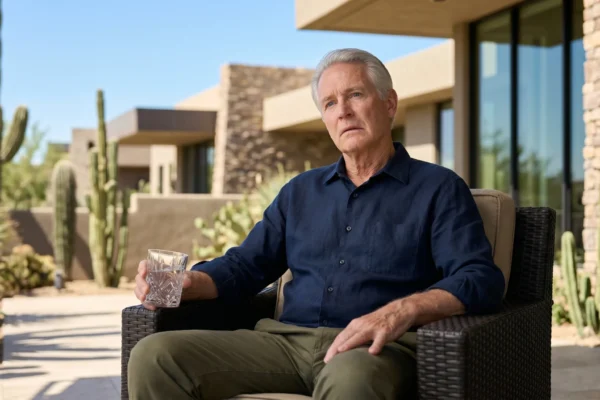
High temperatures lead to rapid dehydration, which makes the blood more viscous and prone to clotting. While heat exhaustion causes general weakness, a stroke typically produces asymmetrical symptoms – affecting only one side of the body. Distinguishing between “just a hot day” and a life-threatening vascular event is the most critical skill for caregivers in Scottsdale.
5 Hidden Stroke Symptoms in Seniors
1. Sudden Word Confusion (Wernicke’s Aphasia)
A senior may speak in long, complex sentences that sound grammatically correct but contain made-up or irrelevant words – a condition known as “word salad.” Because the person remains fluent and doesn’t always appear “sick,” families often assume they are just having a “bad day” or are tired. If a senior suddenly loses the ability to follow a simple two-step command or starts substituting words (calling a “watch” a “time-hand”), treat it as a medical emergency.
2. Subtle Numbness: The Cheiro-Oral Syndrome
In many cases, the senior can still walk, talk, and move their arm, leading them to believe the sensation is just “poor circulation” or a pinched nerve. However, this localized sensory loss often signals a small lacunar stroke in the thalamus. This “mini stroke” is a warning shot; without intervention, a major, disabling stroke often follows within hours or days.
3. Visual ``Neglect`` and Field Loss
A senior might not realize they have lost part of their vision. Instead, they may start bumping into doorways on one side, or leave food on only one half of their plate. This “visual neglect” is a high-priority sign of stroke early in its progression. If a loved one suddenly complains of “graying out” or “curtain-like” vision in one eye, it requires an immediate neurological evaluation.
4. Unexplained Falls and ``Prodromal`` Instability
This instability is often accompanied by dizziness or vertigo. Families frequently mistake this for a drop in blood sugar or a side effect of blood pressure medication. If a senior experiences a “drop attack” – collapsing suddenly while remaining conscious – it is a classic indicator of a vertebrobasilar stroke.
5. The Thunderclap Headache and Blood Viscosity
While a typical tension headache builds slowly, a stroke-related headache is sudden and often described as the “worst headache of my life.” This can be a sign of a hemorrhagic stroke or a subarachnoid hemorrhage. If a sudden headache is accompanied by a stiff neck or light sensitivity, do not wait for it to pass with rest.
Differentiating Symptoms: Heat Stroke vs. Ischemic Stroke
| Feature | Heat Stroke | Ischemic Stroke (CVA) |
|---|---|---|
| Onset | Gradual after sun exposure | Sudden and instantaneous |
| Skin | Hot, dry, or very sweaty | Normal temperature |
| Symmetry | General weakness on both sides | Weakness on one side only (arm weakness) |
| Mentation | Agitation or fainting | Difficulty speaking or understanding speech |
| Pain | Throbbing head, muscle cramps | Sudden “thunderclap” headache |
What to Do: The Scottsdale Emergency Protocol
- Perform the FAST Test: Check for face drooping, arm weakness, and speech difficulty.
- Note the Time: If the symptoms started at 2:00 PM, tell the paramedics exactly that. Doctors need this time to decide if the patient is a candidate for TNK (Tenecteplase) or mechanical thrombectomy.
- Do Not Drive: Call 911. Paramedics in the Scottsdale and Phoenix area can begin the “stroke alert” process while in transit, ensuring the neurology team at the hospital is ready the moment the ambulance arrives.
- Target Comprehensive Stroke Centers: In the Scottsdale area, Mayo Clinic and HonorHealth (specifically the Shea and Osborn campuses) are equipped with the specialized imaging and neurosurgical teams required for advanced CVA treatment.
Prevention and CVA Risk Management
- Hydration Monitoring: Because the thirst mechanism weakens with age, seniors should drink water on a schedule, not just when they feel thirsty. Dehydration is a primary trigger for TIA in the desert.
- Air Quality awareness: High ozone days in Phoenix can increase systemic inflammation, putting extra stress on the vascular system.
- Regular Neurological Screenings: Identifying carotid artery narrowing or atrial fibrillation early can prevent 80% of strokes.
Managing the health of a senior in Scottsdale requires vigilance. By looking past the obvious signs and recognizing these five subtle indicators, families can ensure their loved ones receive the life-saving care they need before a minor symptom becomes a permanent disability.
Frequently Asked Questions
What are the most common signs of a mini stroke in the elderly?
How can I tell if a senior has heat exhaustion or a stroke in the Arizona heat?
What are the early indicators of stroke that families often miss?
Is a sudden fall a sign of a stroke in seniors?
What should I do if I suspect a stroke is happening in Scottsdale or Phoenix?
The information provided in this article is for educational and informational purposes only and is not intended as medical advice, diagnosis, or treatment.