The information provided in this article is for educational and informational purposes only and is not intended as medical advice, diagnosis, or treatment.
Telehealth lets seniors see a doctor by phone or video without leaving home. It works well for many everyday needs, like medication reviews and follow-up visits. But some problems still need a hands-on exam, and that is when an in-person house call is the better choice. Knowing the difference helps older adults in Phoenix and Scottsdale get the right care at the right time.
Dr. Rebecca Cook, a board-certified geriatric and internal medicine physician who has cared for older adults in Phoenix and Scottsdale for more than 30 years, helps patients and families spot the early signs of isolation and build a plan to stay well. If you are worried about yourself or a loved one, you can schedule a visit with Dr. Cook to talk it through.
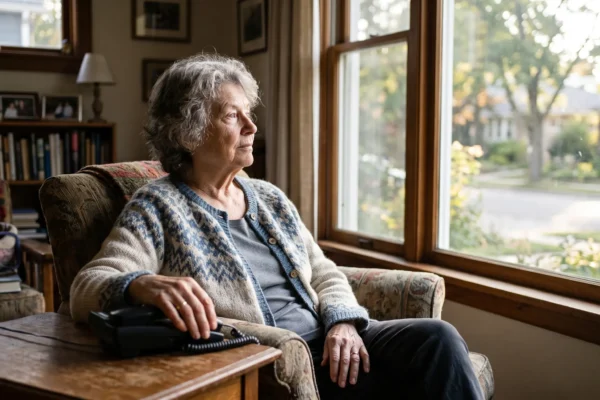
What Is the Difference Between Loneliness and Social Isolation?
Both matter for health. According to the Centers for Disease Control and Prevention, about 1 in 3 adults in the United States report feeling lonely, and about 1 in 4 say they lack the social and emotional support they need. Social isolation and loneliness can put a person at risk even when they do not feel sad about being alone.
How Common Is It in the Elderly?
The Negative Effects of Social Isolation on the Body
Stress, Inflammation, and Immune Health
Older adults who are socially isolated are also more likely to end up in the emergency room, to have longer hospital stays, and to be admitted to a nursing home. Staying connected is not just about happiness. It is part of staying independent.
Social Isolation and the Aging Brain
Cognitive Decline in Older Adults
Social Isolation and Dementia
Social Isolation and Mental Health
Depression Treatment for Older Adults
Warning signs to watch for include a lasting sad or empty mood, low energy, trouble concentrating, pulling away from favorite activities, and changes in appetite. If you notice several of these signs in yourself or a loved one, talk with a doctor. If someone is having thoughts of self-harm, call or text the 988 Suicide and Crisis Lifeline right away.
Sleep, Rest, and Sleep Aids for Older Adults
Who Is Most at Risk?
- Living alone or the loss of a spouse, family member, or close friend
- Trouble getting around, no driving, or no easy transportation
- Vision or hearing loss that makes talking with others harder
- Chronic illness, disability, or memory problems
- Feeling a lack of purpose after retirement or a major life change
- Living in a rural or hard-to-reach area
Hearing Loss and Withdrawal
How to Stay Connected in Phoenix and Scottsdale
Everyday Habits That Help
- Set aside time each day to call, text, or visit family, friends, or neighbors
- Restart an old hobby or take a class to meet people with shared interests
- Join a walking group and aim for about 150 minutes of gentle activity each week
- Volunteer for a cause you care about to build purpose and new friendships
- Consider a faith community, senior center, or local library program
- If caring for a pet is realistic, an animal can offer comfort and routine
When to Talk to a Doctor
Frequently Asked Questions
Why is social isolation bad for the elderly?
Social isolation raises the risk of serious problems such as heart disease, stroke, depression, and dementia, and it is linked to earlier death. It can also lead to more hospital stays and a greater chance of moving to a nursing home. Regular social contact helps protect both physical and mental health.
Does social isolation damage your brain?
Yes, isolation and loneliness are tied to poorer brain function and a higher risk of cognitive decline and dementia over time. The brain stays healthier when it is used through conversation, hobbies, and social activity. Staying connected is one of the simplest ways to support long-term brain health.
Should a 70 year old live alone?
Many people in their 70s live alone safely and happily. The key is staying connected and having support in place, such as regular check-ins, transportation, and a way to reach help quickly. Living alone becomes a concern only when it leads to isolation, missed medicine, or safety problems, which a doctor can help assess.
How to regain social skills after isolation?
Start small and build slowly, with short visits or phone calls before larger gatherings. Joining a class, a walking group, or a volunteer role gives an easy reason to be around others. If anxiety or low mood is making it hard, a doctor or therapist can help you take those first steps.
What are the negative effects of social isolation?
The negative effects include higher rates of heart disease, high blood pressure, weakened immune function, anxiety, depression, and dementia. Isolation can also worsen sleep and lower physical activity, which add more health risks. Because the harm builds over time, catching isolation early makes a real difference.