The information provided in this article is for educational and informational purposes only and is not intended as medical advice, diagnosis, or treatment.
The early signs of diabetes in older adults are often quiet and easy to miss. The most common diabetes symptoms include more thirst, more trips to the bathroom, feeling tired, blurry vision, and cuts that heal slowly. In seniors, these changes come on slowly and are easy to blame on normal aging, so many people live with high blood sugar for years before they know it.
Dr. Rebecca Cook is a board-certified geriatric and internal medicine physician who has cared for older adults in Phoenix and Scottsdale for more than 30 years, with diabetes management among her focus areas. If you or a loved one has noticed any of the warning signs below, Dr. Cook can help you get checked and build a plan that fits your life. You can learn more or book a consultation with Dr. Cook.
What Is Diabetes, and Why It Matters After 65
Type 1 vs Type 2 Diabetes
How Common Diabetes Mellitus Is in Older Adults
Early Diabetes Symptoms Older Adults Should Not Ignore
The Most Common Symptoms of High Blood Sugar
- Feeling much thirstier than usual
- Needing to pee more often, including waking up at night to go
- Feeling tired or low on energy
- Feeling hungrier than normal
- Blurry vision
- Cuts, sores, or bruises that heal slowly
- Tingling or numbness in the hands or feet
- Losing weight without trying
- Getting infections more often, such as skin or bladder infections
These are the same core diabetes symptoms doctors watch for at any age. The difference in seniors is that the signs are often softer and mixed in with other health issues.
Warning Signs That Are Easy to Blame on Aging
Why Type 2 Diabetes Symptoms Are Easy to Miss
How a Diabetes Test Confirms the Diagnosis
Blood Tests That Measure Your Glucose Levels
- Fasting plasma glucose test: taken in the morning after about eight hours with nothing to eat or drink but water
- A1C test: shows your average blood sugar over the past two to three months, and you do not need to fast for it
- Random plasma glucose test: taken at any time of day without fasting
According to the Cleveland Clinic, a fasting result of 126 mg/dL or higher, an A1C of 6.5% or higher, or a random result of 200 mg/dL or higher means you have diabetes. These clear numbers are why a lab diabetes test is so useful: it removes the guesswork.
What Healthy Blood Glucose Levels Look Like
What Raises the Risk of Type 2 Diabetes in Seniors
Risk Factors You Cannot Change
Risk Factors You Can Work On
Why High Blood Sugar Is Worth Taking Seriously
None of this is meant to scare you. The point is that steady, everyday diabetes management truly protects your future health. Keeping your blood sugar close to target is the single best way to lower the chance of these problems, and it is never too late to start.
Diabetes Treatment and Everyday Diabetes Management
Lifestyle Changes That Lower Blood Sugar
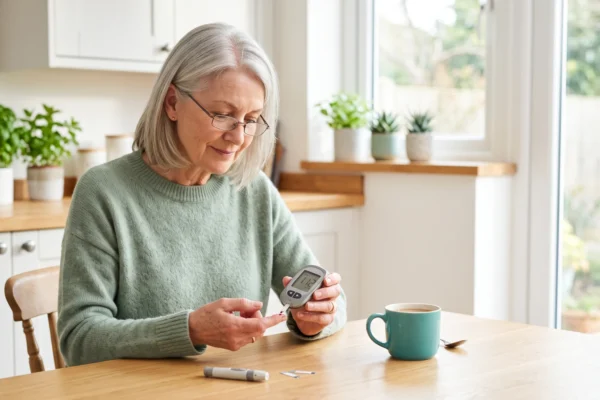
Medication and Monitoring
Foot Care and Protecting the Rest of Your Body
When to See a Doctor in Phoenix or Scottsdale
Frequently Asked Questions
What are the first signs of diabetes in seniors?
The first signs are usually increased thirst, needing to urinate more often, feeling unusually tired, blurry vision, and slow-healing cuts. In seniors these clues are mild and come on slowly, so they are easy to miss. If you notice several of them, ask your doctor for a simple blood sugar test.
What are the 10 warning signs of diabetes in adults?
Common warning signs include more thirst, frequent urination, extra hunger, tiredness, blurry vision, slow-healing sores, tingling or numbness in the hands or feet, unexplained weight loss, frequent infections, and patches of darkened skin. Having a few of these does not confirm diabetes, but it is a reason to get tested. A lab test is the only way to know for sure.
Can you have type 2 diabetes and be healthy?
Yes. Many people live full, active lives with type 2 diabetes by keeping their blood sugar in a healthy range. This usually means eating well, staying active, taking any prescribed medicine, and going to regular checkups. Good daily habits also lower the risk of long-term problems with the eyes, kidneys, heart, and feet.
What foods should diabetics avoid?
It helps to limit sugary drinks, sweets, white bread, and heavily processed snacks, since these raise blood sugar quickly. Focusing on vegetables, whole grains, lean proteins, and healthy fats keeps glucose levels steadier. You do not have to give up every treat, but smaller portions and fewer refined carbs make a big difference.
How hard is it to live with type 2 diabetes?
Managing type 2 diabetes takes daily attention, but most of it becomes routine over time. Checking your numbers when asked, moving your body, choosing good meals, and keeping your appointments are the core habits. Support from family and a doctor who knows you well makes the day-to-day much easier.
How can you manage type 2 diabetes at home?
At home, focus on healthy meals, regular activities like daily walks, taking medicines exactly as prescribed, and checking your feet each day for sores. If your doctor asks you to, use a glucose meter to track how your habits affect your blood sugar. Bring your readings to your visits so your care plan can be adjusted as needed.