The information provided in this article is for educational and informational purposes only and is not intended as medical advice, diagnosis, or treatment.
Heart disease is common in later life, and its warning signs often hide in plain sight. Breathlessness on the stairs, swollen ankles, or constant tiredness are easy to write off as normal aging, yet they can be early signs of heart disease or heart failure. Knowing the heart disease warning signs in seniors helps families act sooner, when treatment tends to work best. This article walks through the symptoms to watch for, how heart failure fits in, the main risk factors, and when to seek care.
For older adults in Phoenix and Scottsdale, keeping up with eye care can feel like one more errand. Geriatric physician Dr. Rebecca Cook works with patients 65 and older and can help coordinate eye referrals and ongoing care; families can learn more about her practice. When getting to a clinic is hard, it also helps to know you can choose a doctor who visits you at home through the Doctor2me network, so a checkup does not always mean a trip across town.
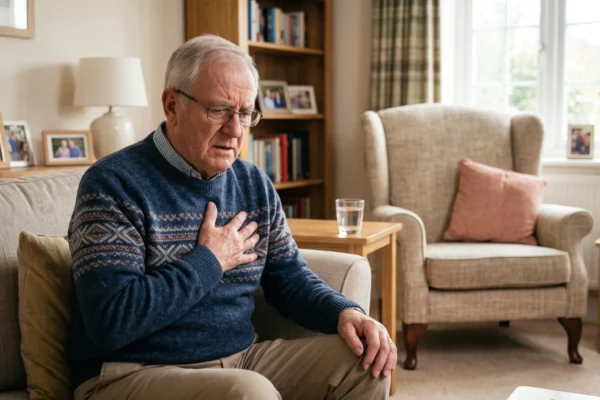
Why Heart Disease Warning Signs Matter for Older Adults
The tricky part is that many warning signs overlap with everyday aging. Feeling a little more tired, needing to slow down on a walk, or noticing shoes feel tight by evening can all be dismissed. But when these changes are new, steady, or getting worse, they deserve a conversation with a doctor rather than a shrug.
Common Warning Signs to Watch For
Shortness of Breath and Fatigue
Swelling and Weight Gain
Chest Discomfort and Palpitations
Heart Failure: A Common Form in Seniors
The condition is widespread and tends to progress over time. The CDC’s overview of heart failure reports that nearly 6.7 million U.S. adults have heart failure, and that early symptoms include shortness of breath during daily activities, trouble breathing when lying down, swelling in the feet and legs, and feeling generally tired or weak. Cleveland Clinic describes four stages of heart failure, ranging from being at high risk to advanced disease, and treatment aims to slow the move from one stage to the next. That is exactly why noticing the early signs matters so much.
Risk Factors You Can and Cannot Change
The encouraging side is that lifestyle changes can lower risk. Staying at a healthy weight, eating heart-friendly foods, moving regularly, managing blood pressure and diabetes, and avoiding tobacco all support heart health. These same habits help people who already have heart disease feel better and stay steadier.
How Doctors Check the Heart
For older adults, this kind of check often doubles as a broader health review. Many things that stress the heart, such as high blood pressure, diabetes, and kidney problems, tend to travel together, so a visit prompted by swollen ankles may uncover more than one issue worth managing. Finding these early gives a doctor and patient the best chance to slow their progress and protect quality of life.
Everyday Habits That Support Heart Health
Managing stress and staying connected matter too. Ongoing stress and isolation can weigh on the heart, so time with family and friends, hobbies, and calming routines all have a place in heart health. Small, steady changes tend to stick better than dramatic ones, and a doctor can help tailor them to a person’s abilities and other conditions. The aim is not a perfect lifestyle but a sustainable one that keeps an older adult feeling well and staying independent.
It also helps for families to know the plan. When relatives understand which symptoms to watch for, which medicines a loved one takes, and when to call for help, care becomes a shared effort rather than a worry that falls on one person. A clear, written summary of medicines and warning signs, kept on the fridge or in a phone, can make an anxious moment much calmer.
When to Seek Care and How to Get Support
Ongoing care makes a real difference in heart disease, and it is easier when it fits into daily life. Older adults who find travel tiring can have a doctor come to the home for check-ins, medication reviews, and monitoring, which removes the stress of a clinic trip. Steady, personalized care with a board-certified physician such as Dr. Rebecca Cook, who focuses on geriatric and internal medicine, can help older adults manage chronic conditions and stay independent.
Beyond warning signs, a good plan looks at the whole person. Dr. Cook’s practice offers chronic condition management and preventive care designed for retirees and older adults, and you can read more about her background and approach to see whether that kind of care fits your family. The goal is simple: notice changes early, treat them steadily, and keep enjoying an active life.
Frequently Asked Questions
What are the early warning signs of heart disease in seniors?
Early signs can include new or worsening shortness of breath, ongoing tiredness, swelling in the feet, ankles, or legs, sudden weight gain, chest discomfort, and a racing heartbeat. Because these can look like normal aging, new or steady changes should be checked by a doctor.
What is the difference between heart disease and heart failure?
Heart disease is a broad term for several conditions that affect the heart. Heart failure is one type, in which the heart cannot pump enough blood to meet the body’s needs, causing fluid to build up in the lungs and legs.
What are the early signs of congestive heart failure?
Early signs include shortness of breath during activity or when lying down, swelling in the feet and legs, sudden weight gain, and feeling tired or weak. A persistent cough and loss of appetite can also occur.
What are the main risk factors for heart disease?
High blood pressure, high cholesterol, and smoking are the key risk factors. Being older than 65, diabetes, obesity, an inactive lifestyle, and a family history of heart disease also raise the risk.
When should an older adult see a doctor about heart symptoms?
Seek urgent care for chest pain, sudden severe breathlessness, fainting, or a rapid jump in weight with worsening swelling. For new or worsening tiredness, breathlessness, or swelling, arrange a prompt visit with a doctor.
Can heart disease be managed at home?
Yes. Many older adults manage heart disease at home with medicines, a low-sodium diet, daily weight and symptom tracking, and regular check-ins. Home-based doctor visits can make that ongoing care easier.