The information provided in this article is for educational and informational purposes only and is not intended as medical advice, diagnosis, or treatment.
about. Research shows that treating hearing loss may help protect memory and thinking as you age. The good news is simple: a hearing check is easy, and using hearing aids may lower the risk of mental decline. This guide explains the link, the early signs to watch for, and the steps that help most.
For older adults in Phoenix and Scottsdale who want a clear plan, Dr. Rebecca Cook offers care built around the needs of people 65 and older. You can schedule a consultation with Dr. Cook to review your hearing, memory, and overall health in one visit.
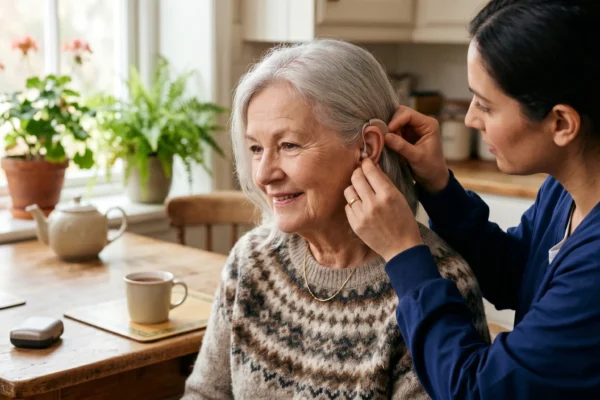
How Hearing Loss and Brain Health Are Connected
The link between deafness and dementia
Researchers believe hearing and cognition are closely tied for a few reasons. When sound is unclear, your brain has to work harder just to follow a conversation. Over time, that extra strain can pull energy away from memory and thinking. Poor hearing can also shrink the parts of the brain that handle sound and language.
Why hearing and cognition rise and fall together
Can Hearing Aids Prevent Dementia?
What the research shows about hearing aids and dementia
The landmark ACHIEVE trial offered even more hope. In older adults who were already at higher risk for memory loss, a hearing program slowed mental decline by nearly half over three years. So while we cannot say hearing aids prevent dementia for sure, treating hearing loss early may protect your mind.
Alzheimer's and hearing aids: what this means for you
Early Signs You Should Not Ignore
Early signs of hearing loss
- Turning the TV or radio up louder than others like it
- Asking people to repeat themselves often
- Trouble following talk when more than one person speaks
- Finding phone calls hard to understand
- A ringing or buzzing sound in the ears, called tinnitus
The National Institute on Aging notes that ignored hearing problems tend to get worse. A simple hearing test can catch trouble early, while it is easiest to treat.
Early signs of dementia to watch for
How to Lower Your Risk
Practical ways to help prevent Alzheimer's disease
- Getting your hearing checked and treating any loss early
- Staying active with regular walks and movement
- Keeping blood pressure, blood sugar, and weight in a healthy range
- Staying social and learning new things
- Not smoking and limiting alcohol
Social isolation and dementia
Older adults in Phoenix and Scottsdale do not have to face these choices alone. A full check-up with Dr. Cook can look at hearing, memory, and daily life together, so you get one clear plan instead of many scattered visits.
Frequently Asked Questions
Can hearing loss cause dementia?
Hearing loss does not directly cause dementia, but it raises the risk. The strain of poor hearing and the loss of social contact can speed up mental decline. Treating hearing loss early may help protect your memory.
Can hearing aids reverse memory loss?
Hearing aids cannot reverse memory loss that has already happened. However, studies suggest they may slow further decline, especially in people at higher risk. The earlier you start using them, the more they may help.
At what age should I get my hearing checked?
Most experts suggest a baseline hearing test by age 60, or sooner if you notice trouble. After 65, regular checks are smart since hearing loss is very common. Ask your doctor to include it in your yearly visit.
Does everyone with hearing loss get dementia?
No. Many people with hearing loss never develop dementia. Hearing loss is just one risk factor among many. Treating it early and staying active and social can lower your overall risk.
How does hearing loss affect the brain?
When sound is unclear, the brain works harder to understand speech. Over time this extra effort can pull energy from memory and thinking. Poor hearing also leads to less social contact, which is hard on brain health.